

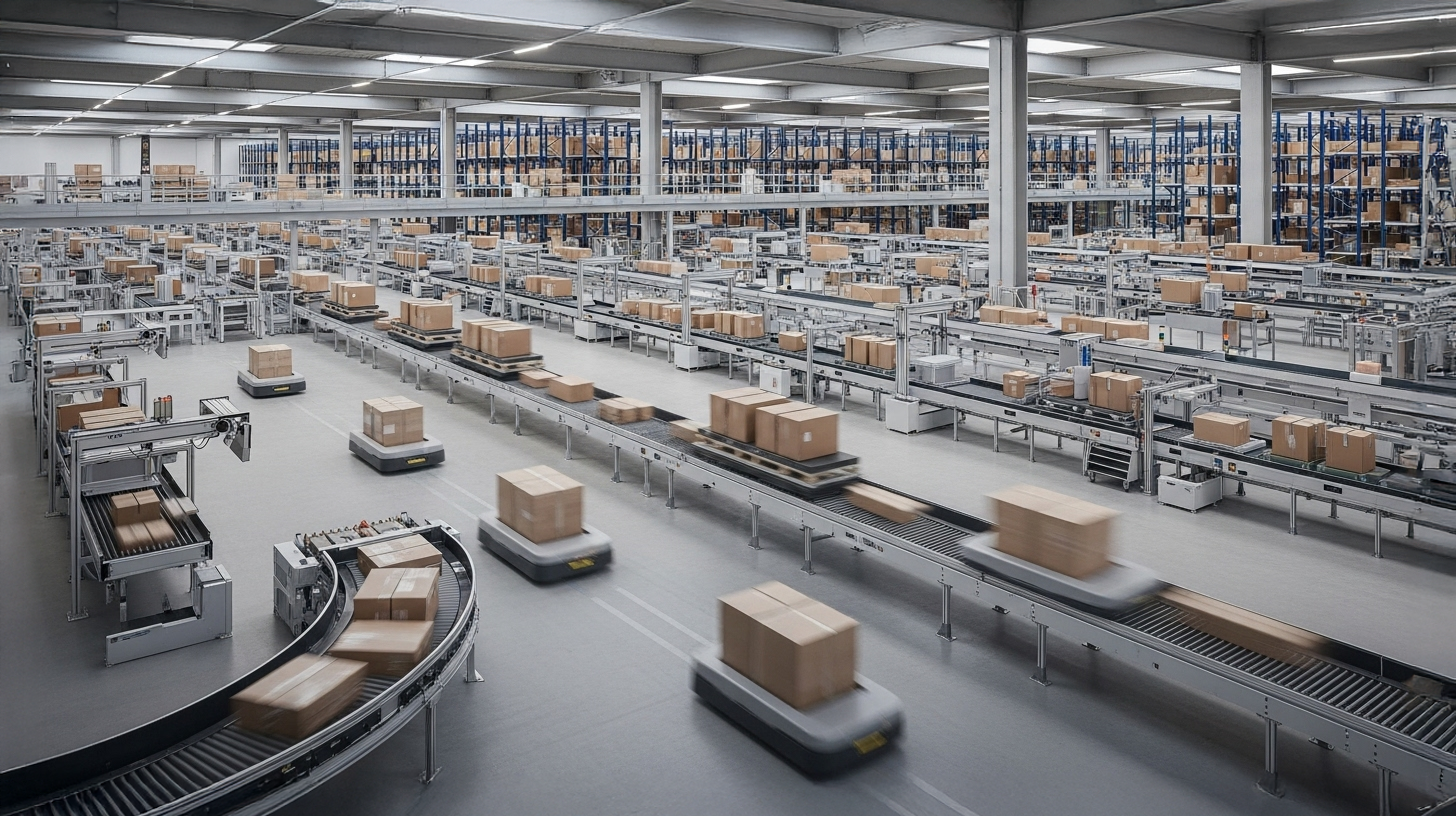
İç Lojistik Uygulamalarında Makaralı Konveyör ve Zincirli Konveyör Karşılaştırması
Otomatik depo ve iç lojistik sistemlerinde, palet konveyörleri giriş, tamponlama, sıralama ve çıkış süreçlerini birbirine bağlamada kritik bir rol oynar. Uygun palet konveyör tipinin seçilmesi, sistem güvenilirliği, verimliliği ve uzun vadeli operasyonel istikrarı sağlamak için çok önemlidir.
Çeşitli çözümler arasında, makaralı palet konveyörleri ve zincirli palet konveyörleri en yaygın kullanılanlardır. Bu makale, depo ve lojistik uygulamalarına odaklanmakta ve mühendislik bakış açısından yapılandırılmış bir karşılaştırma sunmaktadır.

Depo Sistemlerinde Palet Taşıma İşlemlerinin Temel Gereksinimleri
Tipik depo palet taşıma sistemleri birkaç ortak özelliğe sahiptir:
-
Standartlaştırılmış palet boyutları (ahşap veya plastik paletler)
-
Yerel birikim bölgeleriyle istikrarlı taşıma ritmi
-
İstifleme vinçleri, asansörler, taşıma araçları veya AGV sistemleriyle entegrasyon
-
Yüksek güvenilirlik ve düşük bakım gereksinimi talebi.
Bu gereksinimler, konveyör yapısının seçimini büyük ölçüde etkiler.
Depolamada Makaralı Palet Konveyörlerinin Avantajları
Standart paletler ve biriktirme süreçleri için uygundur.
Makaralı palet konveyörleri, düz tabanlı paletler için idealdir. Kontrollü palet akışı ve hassas konumlandırmanın gerekli olduğu giriş tampon bölgelerinde, sıralama alanlarında ve çıkış biriktirme hatlarında yaygın olarak kullanılırlar.
Otomatik Depo Sistemleri için Esnek Yerleşim Planı
Modüler tasarımları sayesinde, makaralı konveyör sistemleri kolayca düz hatlar, kavisler, birleşmeler ve yön değiştirmeler şeklinde yapılandırılabilir. Bu esneklik, onları karmaşık depo malzeme akışı düzenleri için oldukça uygun hale getirir.
Sorunsuz ve Sessiz Çalışma
İnsan etkileşiminin sık olduğu e-ticaret depolarında ve dağıtım merkezlerinde, makaralı palet konveyörleri düşük gürültü seviyesi ve sorunsuz hareket sağlayarak genel çalışma koşullarını iyileştirir.
Lojistik Merkezlerinde Zincir Palet Konveyörlerinin Tipik Uygulamaları
Ağır Hizmet Palet Taşıma
Ağır yüklerin, dengesiz palet ağırlık dağılımının veya endüstriyel malların taşındığı depolarda, zincirli palet konveyörleri üstün yük taşıma kapasitesi ve yapısal dayanıklılık sağlar.
Uzun Mesafeli ve Sürekli Taşıma
Zincir konveyörler, sürekli çalışma ve dayanıklılığın kritik önem taşıdığı, liman-depo transfer hatları gibi uzun ve düz taşıma bölümlerinde özellikle etkilidir.
Zorlu Ortamlarda Sağlam Performans
Tozlu, nemli veya yağ bulaşmış depo ortamlarında, zincir palet konveyörleri güçlü bir uyum yeteneği ve istikrarlı performans sergiler.
Depo Palet Konveyör Sistemleri için Seçim Kılavuzu
Makaralı Palet Konveyörü Ne Zaman Seçilmelidir?
-
Düz tabanlı standart paletler
-
Birikim, tamponlama veya takt kontrolüne ihtiyaç
-
Gürültüye duyarlı veya yoğun personel bulunan alanlar
-
Otomatik depo ekipmanlarıyla esnek entegrasyon
Zincirli Palet Konveyörü Ne Zaman Seçilmelidir?
-
Ağır veya dengesiz palet yükleri
-
Uzun mesafeli, kesintisiz taşıma
-
Zorlu endüstriyel ortamlar
-
Mekanik sağlamlık ve kullanım ömrüne yüksek öncelik verilmektedir.
Sonuç: Depolama İçin Sistem Odaklı Konveyör Seçimi
Tüm depo uygulamaları için tek bir "en iyi" palet taşıma çözümü yoktur.
Modern iç lojistik projelerinde, makaralı ve zincirli konveyörleri birleştiren hibrit bir konveyör sistemi genellikle en etkili yaklaşımdır.
Sistem entegratörleri, palet özelliklerini, işlem akışını, çevresel koşulları ve gelecekteki ölçeklenebilirliği değerlendirerek, optimum performans, güvenilirlik ve maliyet verimliliği sağlayan palet taşıma çözümleri tasarlayabilirler.
Paylaşmak:
AGV Direksiyon Sistemi ile Diferansiyel Tahrik Sistemi Arasındaki Teknik Karşılaştırma
AGV Verimliliğinin Kilidini Açmak: Diferansiyel Tekerlek Modülü Hareket ve Hassasiyeti Nasıl Dönüştürüyor?